
Радваме се, че искате да проверите какво се крие 'под капака' на системата TrustMate.

При онлайн пазаруването няма място за догадки – важното е комфорт, чистата истина и усещане за сигурност. Нашата мисия е да създадем пространство, където потребителите да могат да се доверят на отзивите за продукти без ограничения, а марките да могат да изграждат гордо своя успех върху тях.
Прочетете как събираме, проверяваме и модерираме оценки, така че процесът да бъде напълно прозрачен, сигурен и да носи истинско удовлетворение и на двете страни в транзакцията.
Вижте как сме подготвени да събираме надеждно и ценно съдържание. По-долу обясняваме целия процес на придобиване на отзиви в TrustMate.
В TrustMate ние прецизно отбелязваме източника на всяко ревю, гарантирайки пълна прозрачност на покупката. По този начин винаги знаете дали ревюто е дошло от имейл покана след покупка, сканиране на QR код в магазина, или е импортирано от външни платформи.
Поканите, изпратени по имейл, са основният и най-ефективен канал за придобиване на отзиви в системата TrustMate. Благодарение на пълната автоматизация и интеграция с вашата електронна търговска платформа, този процес е напълно без намеса за продавача и напълно удобен за купувача.
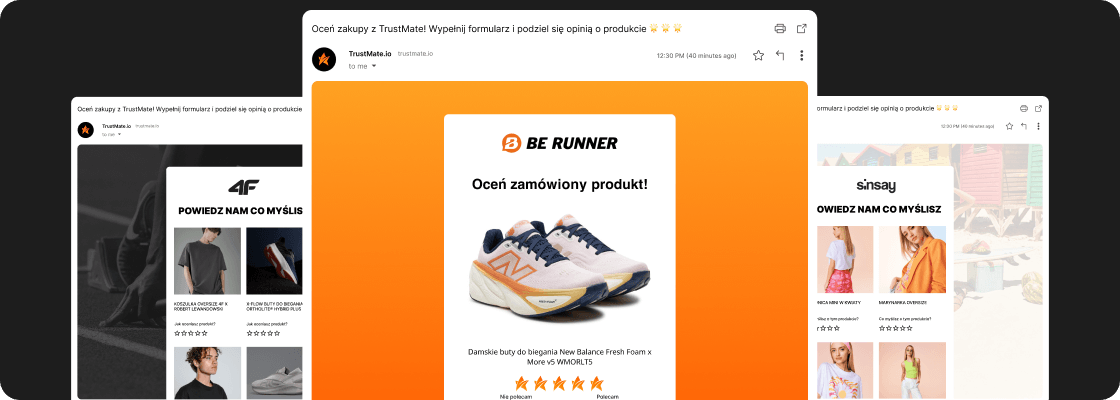

Как работи този механизъм?
След период от време, който определяте след завършване на поръчката (давайки на клиента време действително да тества продукта), системата автоматично изпраща персонализиран имейл с молба за отзив. Нивото на интерактивност на това решение е изключително високо:

Статус на рецензията
В комбинация с пълното блокиране на възможността за добавяне на ревюта „от улицата“ директно на уебсайта, затворената система за покани чрез имейл гарантира 100% контрол върху произхода на ревютата.
Всеки рейтинг, получен по този начин, автоматично получава статус „покупката потвърдена“ в системата. Това служи като еднозначно доказателство за други купувачи, че представените отзиви отразяват реалния опит от покупка на действителни клиенти, напълно изпълнявайки ключовите изисквания на Директивата Omnibus на ЕС.

Тъй като имейлите са директен комуникационен канал с потребителя, изпращането им изисква електронният магазин да има подходяща правна основа. Администраторът (Продавачът) е задължен да внедри подходящи съгласия и точни разпоредби в условията за ползване и политиката за поверителност, и да осигури прозрачност на този процес по време на покупка.
Клиентът трябва да бъде ясно информиран в количката за пазаруване (например чрез посветена, отделна отметка или видима информационна клауза), че неговите данни ще бъдат обработени, за да се изпрати еднократно искане за преглед. Изпълняването на тези формалности от страна на магазина гарантира правна безопасност с оглед на GDPR и правилата за директен маркетинг.
Преглед на QR
Преглед от QR код ще има статус 'Преглед с QR/NFC', защото по този начин (използвайки QR код) всеки може да го подаде - не само клиентът, който е направил покупката. Говорим повече за статусите на прегледите по-надолу на тази страница.
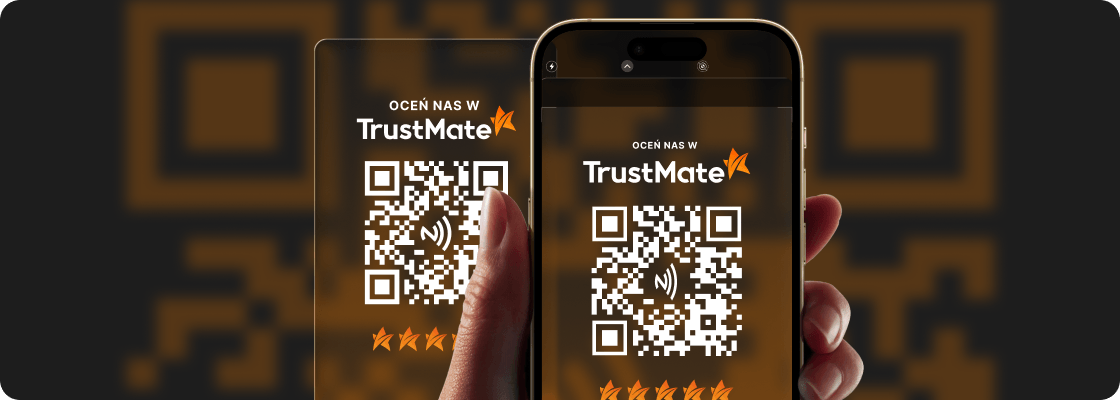
Технология NFC – изпратете отзив с едно докосване на телефона
Това е изключително модерен, безконтактен и мигновен начин за събиране на отзиви, предназначен основно за физически локации и бизнеси, предлагащи услуги (напр. хотели, ресторанти, салони за красота или медицински заведения). Специални значки, стойки или устройства с логото на компанията и вграден NFC чип се поставят на видими места - на маси, рецепции или на касовите бюра.
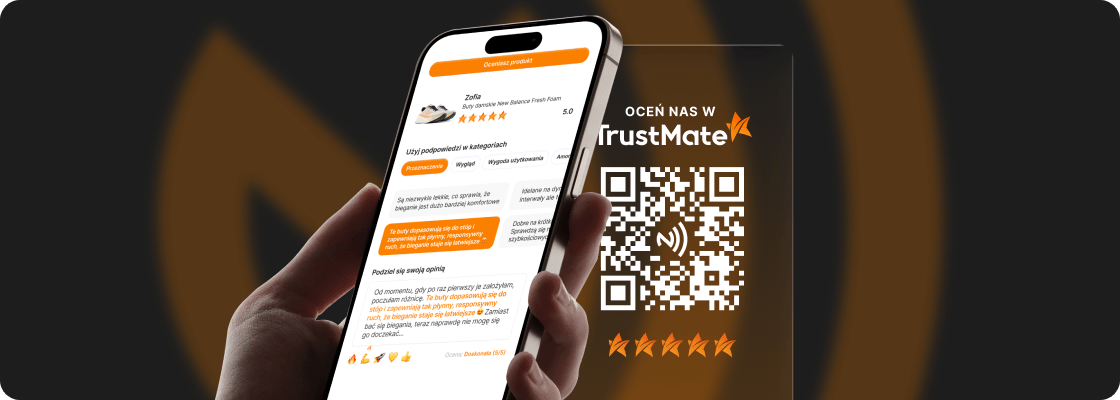

Как работи на практика?
Клиентът просто докосва смартфона си до значката с логото. Телефонът автоматично прочита сигнала и моментално показва формуляра за отзив на екрана - няма нужда да въвеждате уеб адрес, да стартирате камерата или да сканирате нещо. Формулярът е напълно адаптивен и изглежда идентичен с този, използван за покана по имейл.
Тъй като всеки, присъстващ на мястото, може физически да се приближи до NFC значката и да докосне телефона си - не само клиентът, който е направил покупка в този момент - отзив, публикуван по този начин, получава статус 'QR/NFC преглед' в системата. Говорим повече за статусите на отзивите по-надолу на тази страница.
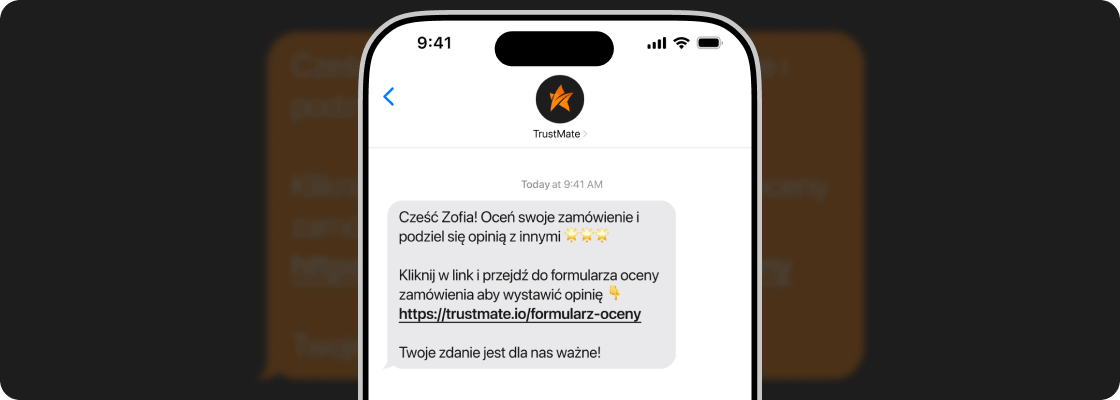
SMS съобщение за искане на преглед – директен контакт след транзакцията
Това е изключително ефективен метод за придобиване на отзиви, характеризиращ се с най-високия процент на отворени съобщения. SMS съобщенията достигат директно до телефона на клиента, което означава, че времето за отговор е забележително кратко.
Системата TrustMate автоматично генерира и изпраща персонализирано текстово съобщение, съдържащо сигурна, уникална връзка. След като кликне върху нея, потребителят веднага се пренасочва към формуляра за преглед. Целият процес е напълно отзивчив, бърз и визуално идентичен с поканата по имейл.
Статус на преглед: Пълно потвърждение за автентичност. За този канал публикуваният преглед автоматично получава най-висок статус в системата: 'покупката потвърдена' или 'използвана услуга потвърдена'.
Тъй като изпращането на SMS съобщение е директно и технически свързано с реална транзакция във вашата система за продажби (например финализиране на поръчка), този процес представлява неопровержимо доказателство за други потребители и надзорни органи (като UOKiK), че рецензията идва от реален клиент. Това напълно изпълнява строгите изисквания на Директивата за Omnibus на ЕС.
Тъй като имейлът и SMS са директни канали за комуникация, преди да изпратите заявка за преглед, трябва да сте сигурни, че имате подходящо правно основание за това. Физически или онлайн магазин трябва да осигури внедряването на подходящи информационни клаузи в условията за ползване и политиката за поверителност и да осигури прозрачност на този процес по време на плащане (например чрез подходящо квадратче за отметка или ясно известие за обработката на данни в кошницата).
Спазването на тези формалности гарантира пълната правна сигурност на вашата компания и съответствието с регламентите на GDPR и Закона за предоставяне на услуги по електронен път.
Уиджет или публичен бизнес профил – открита форма за събиране на отзиви
Последният начин за получаване на оценки е като позволите на потребителите да добавят отзиви директно от интерактивен widget на уебсайта на вашия магазин или чрез публичен бизнес профил в домейна на TrustMate. Това е страхотно решение за клиенти, които искат да споделят своя опит по собствена инициатива, без да чакат автоматична покана.
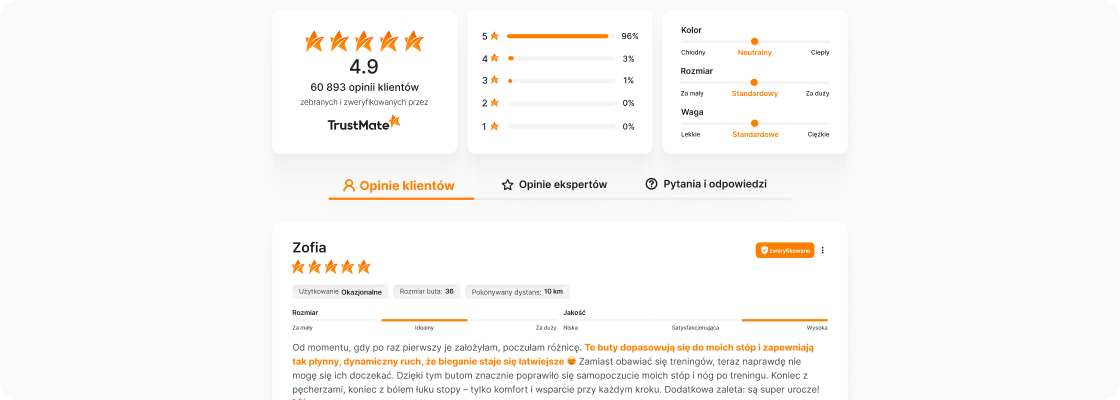
Как работи този процес и механизъм за проверка?
Потребителят посещава сайта и самостоятелно стартира формуляра за преглед. За да се елиминира анонимния спам и да се защити системата от ботове, този процес изисква активни действия от страна на автора:
Те трябва да предоставят своя имейл адрес.
Те преминават през процедура за проверка (трябва да потвърдят своята самоличност, например като кликнат върху проверочен линк, изпратен до предоставената поща).
Статус на прегледа и защита срещу манипулация (изискване Omnibus)
За разлика от имейл или SMS поканите, този канал е отворен и публичен по своята същност. Това означава, че системата TrustMate няма технически начин автоматично да свърже ревю с конкретна транзакция или номер на поръчка в базата данни на електронния магазин в този случай. Следователно не можем да гарантираме със сто процента сигурност, че покупката действително е била извършена.
Предвид строгите изисквания за прозрачност по Директивата за омнибус, системата реагира на това по два начина:
Статус: 'покупката не е потвърдена': Всеки преглед, събран чрез отворения канал, е ясно обозначен с този статус в интерфейса, като уведомява останалите потребители, че няма твърда връзка със системата за продажби.
Намалено тегло в алгоритъма: За да се предотвратят ситуации, в които отворените отзиви могат изкуствено да намалят или увеличат общия рейтинг на компанията, системата използва претеглена средна стойност. Отзив с 'покупка не потвърдена' има най-ниско тегло в алгоритъма - 1 (докато отзиви, потвърдени от покупка, имат тегло 2). Това означава, че неговото влияние върху крайното средно, показвано в джаджите, е по-малко, което ефективно защитава достоверността на вашия профил.
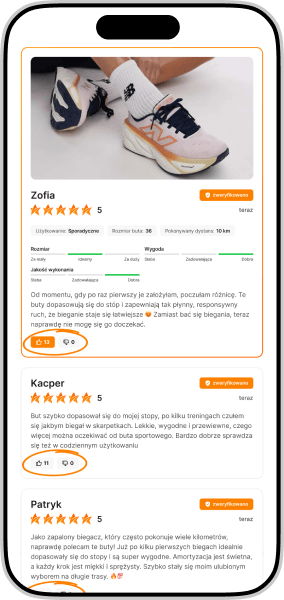
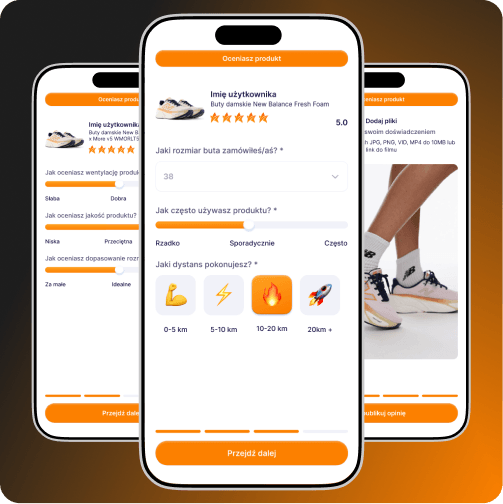
Доверените отзиви се създават от комбинация от три елемента: бърза оценка със звезди, съществено описание и автентични снимки или видеоклипове от клиенти. Тази богата структура на съдържание дава на бъдещите купувачи пълна, реалистична представа за продукта и прави по-лесно вземането на правилното решение.
Процесът на създаване на автентично, ценно съдържание е ключът към успеха за всяка съвременна компания и най-добрият водач за бъдещите купувачи. Вижте сами как превръщаме ежедневните транзакции в достоверен глас на потребителите, който стимулира продажбите и изгражда лоялност.
Стъпка 1
Процесът започва с определяне на общото ниво на удовлетвореност на клиента. Потребителят оценява закупения продукт, предоставената услуга или цялостното брандово преживяване, използвайки доказана петточкова скала. Продавачът има пълна свобода да персонализира този елемент - системата позволява избор на класически звезди или всякакви други графични символи, които най-добре съвпадат с визуалната идентичност на електронния магазин.

Няма пречки за потребителя
Ключово подобрение на този етап е технологичната интеграция на поканата по имейл с целевата форма. Кликването върху конкретния брой звезди директно в съдържанието на полученото съобщение автоматично отвежда клиента към пълната форма, като веднага регистрира и отбелязва избраната от тях оценка. Чрез премахване на необходимостта от повторно кликване върху същия параметър, процесът е максимално опростен, което драстично съкращава времето, необходимо за оставяне на отзив, и увеличава конверсията.
Стъпка 2
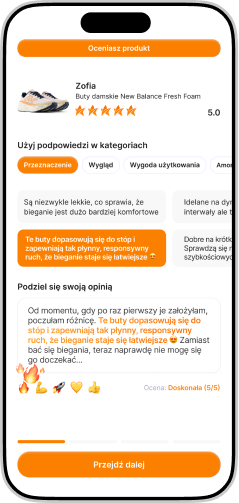
След преместване във формата, клиентът получава достъп до усъвършенстван създател, който им позволява да напишат уникален и максимално ценен отзив. Този етап е проектиран така, че от една страна да даде на купувача пълна свобода на изразяване, а от друга страна да предостави на продавача безценни аналитични данни.

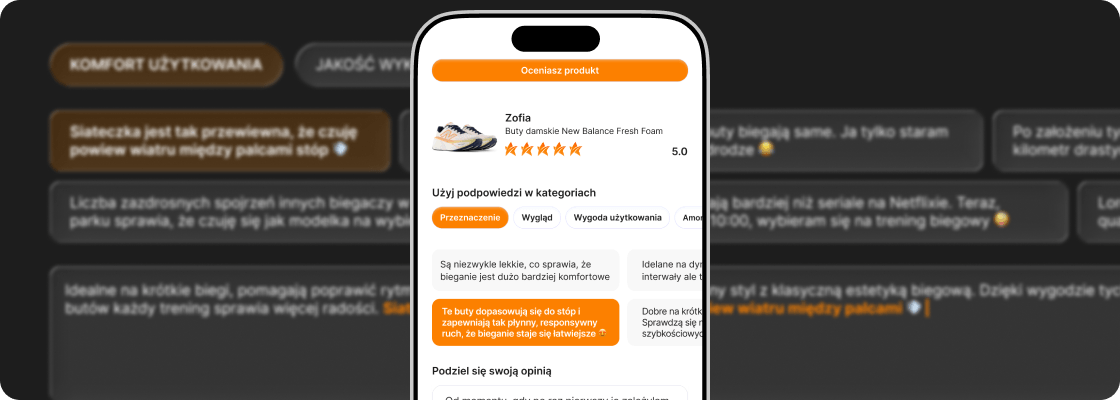
Собствена система за подкани (подканящо устройство)
Клиентът може самостоятелно да напише отзив от нулата, или да използва уникалната система за умни предложения. Алгоритъмът на TrustMate генерира готови, естествено звучащи ключови фрази, съобразени с контекста на покупката. Това помага на потребителите да изразят мислите си с думи, драстично премахва така наречената 'бариера на празната страница' и прави оставените отзиви по-дълги, по-подробни и богати на ключови думи (което силно подкрепя SEO позиционирането на електронния магазин).

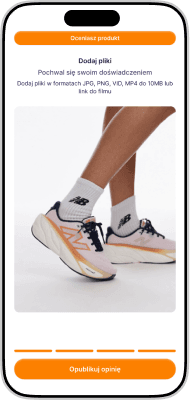
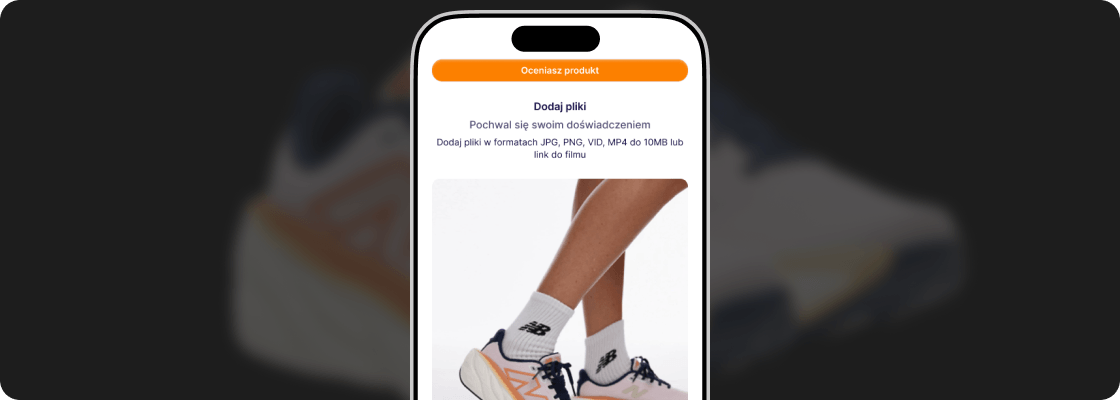
Потребителско генерирано съдържание (добавяне на снимки)
В зависимост от това как продавачът конфигурира системата, купувачите могат лесно да обогатят своя отзив с автентични снимки на закупения продукт. Визуалното доказателство за покупка, създадено от самите клиенти (UGC), в момента е един от най-силните фактори за изграждане на доверие (социално доказателство), ефективно разсейващо съмненията на бъдещи посетители на страницата.
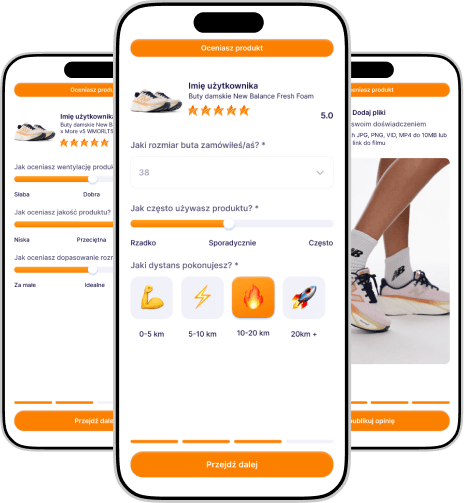
Посветени подробни въпроси (анкети за удовлетвореност)
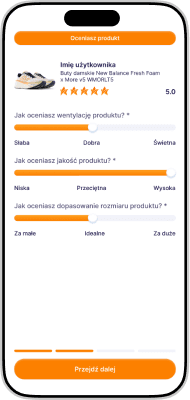
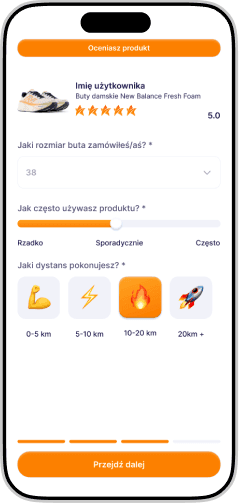
Формулярът на TrustMate не е просто текстово оценяване, а и мощен инструмент за проучвания. В зависимост от спецификата на индустрията и нуждите на магазина, процесът на оценяване може да бъде разширен с допълнителни, персонализирани въпроси:
NPS (Нет Промоутър Скор): ключов показател за лоялност, измерващ вероятността за препоръчване на марката на приятели.
Затворени (Да/Не) и въпроси с един избор: позволяващи незабавна оценка на конкретни аспекти, напр. време за доставка, качество на обслужване или точност на размера.
Допълнителни отворени въпроси: за клиенти, които искат да предадат незадължителни, подробни предложения директно на Обслужване на клиенти.
Благодарение на такава гъвкава структура, магазинът не само получава надеждно маркетинг съдържание, но и точен набор от данни, който позволява непрекъсната оптимизация на бизнес процесите.

В TrustMate всеки отзив има ясен статус, който определя степента му на верификация и тежестта му в общия среден рейтинг. Това разделение ви позволява моментално да различите отзиви, директно потвърдени от покупка, от непроверени или външни оценки, гарантиращи пълна прозрачност.
В съвременната електронна търговия ключът към безопасното пазаруване е да знаете точно откъде идва даден рейтинг. За да осигурим пълния ви комфорт и надеждна подкрепа при вземане на решения, в TrustMate се отнасяме към прозрачността като нещо, което не подлежи на преговори.
В съответствие с най-високите пазарни стандарти и изискванията на Директивата Омнибус, всяко ревю, което публикуваме, има ясно указание за своя произход. Това позволява моментално разграничаване на гласа на независимия купувач от други формати на съдържание.
Поради източника и метода на верификация, нашата система различава няколко ключови типа отзиви:
Потвърдено ревю (покупката е потвърдена) - най-високият статус на автентичност, пряко свързан с реална транзакция в магазина.
Непроверено ревю - оценка, добавена доброволно от потребителя, без системата да може автоматично да потвърди покупката.
Преглед от мобилни канали (QR / NFC) - отзиви, събрани на физически локации с помощта на съвременни безконтактни технологии.
Външен (импортиран) преглед - оценки, събрани на други платформи за продажби и интегрирани в един изглед.
Преведен преглед - прегледи на чужд език, достъпни на местния език благодарение на умни алгоритми за превод.
Научете подробностите за всяко от тези решения и вижте как се грижим за достоверността на представените данни.
Това са рецензии, на които можете да се доверите на сто процента. Техният статус е неразривно свързан с реална транзакция - което означава, че оценката идва от човек, който действително е закупил продукта, поръчал е услугата и е преминал през пълния път на покупка в магазина.
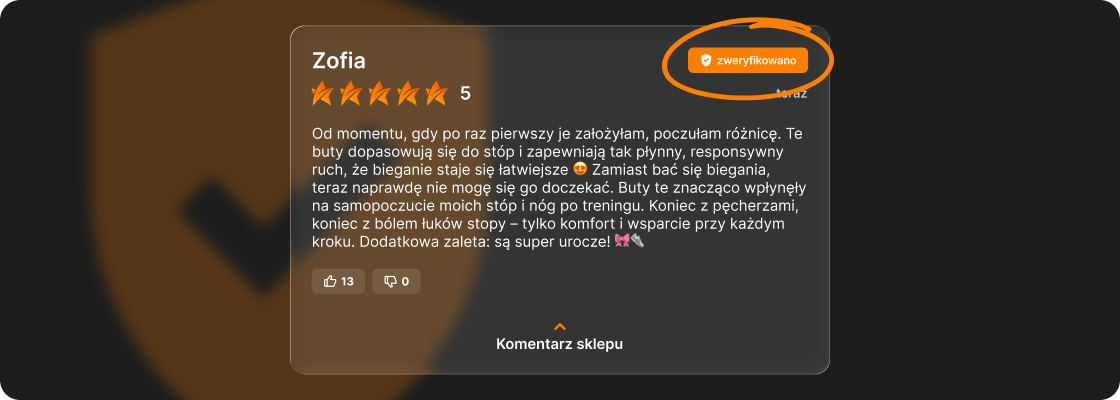
Как можете да ги разпознаете?
Всички проверени оценки са ясно и недвусмислено подчертани в интерфейса на уиджета TrustMate. Ние ги отбелязваме с предназначен етикет "проверен" в комбинация с отличителен оранжев знак за доверие. За всеки потребител, който посещава страницата, това е моментален, лесен за разбиране сигнал, че се занимават с надежден, проверен и безопасен източник на информация.

Как компаниите получават такива отзиви?
Този елитен статус е запазен изключително за оценки, получени чрез затворен цикъл на транзакции - чрез автоматични имейл покани и SMS съобщения. Тъй като съобщението се изпраща само след като поръчката е регистрирана и финализирана в системата за електронна търговия, това напълно изключва риска от генериране на фалшиви отзиви.
Пълното прилагане на това решение напълно отговаря на строгите изисквания на Директивата Omnibus на ЕС по отношение на прозрачността на потребителските отзиви, а в алгоритъма на TrustMate тези отзиви имат най-висока тежест (тегло 2), оказвайки най-силно влияние върху средната оценка на компанията или продукта.
Това са рецензии, които влизат в системата чрез така наречените отворени канали, т.е. места, където всеки интернет потребител може да сподели мнение по собствена инициатива. В този случай, системата на TrustMate няма техническа възможност автоматично да верифицира и свърже ревюто със специфичен номер на поръчка в базата данни на продавача. Това не означава, че рецензията е невярна - системата просто информира, че не може да ѝ даде 100% гаранция за покупка.

Как можете да ги разпознаете?
За да осигурим пълна прозрачност и да елиминираме риска от заблуждаване на потребителите, всички отзиви от този тип са точно маркирани. Ние ги обозначаваме във виджетите с ясно "покупката не е потвърдена" етикет и специален сив знак.
Откъде идват такива отзиви?
Те най-често се генерират чрез:
Потребителят самостоятелно добавя оценка директно от уиджета на уебсайта на магазина или в публичния бизнес профил на компанията.
Въвеждането на този статус е пряко изпълнение на регулациите на ЕС за защита на потребителите. За да се гарантира максимална обективност на представените данни, ревюта с непотвърдена покупка имат намалена тежест в алгоритъма за изчисляване на средната стойност (тежест 1, докато потвърдените ревюта имат тежест 2). Това означава, че тяхното въздействие върху общата оценка на продукта или компанията е по-малко, ефективно защитавайки профила на електронния магазин от опити на външни лица да намалят или увеличат изкуствено оценките.
Системата TrustMate ви позволява да консолидирате репутацията на онлайн магазина от целия интернет и да я представите на едно място. Външните отзиви са оценки, събрани извън нашата технологична екосистема - например импортирани от глобални платформи като Google, Trustpilot, Trusted Shops, eKomi или други независими решения - и се показват колективно в интерактивен уиджет на уебсайта на компанията.
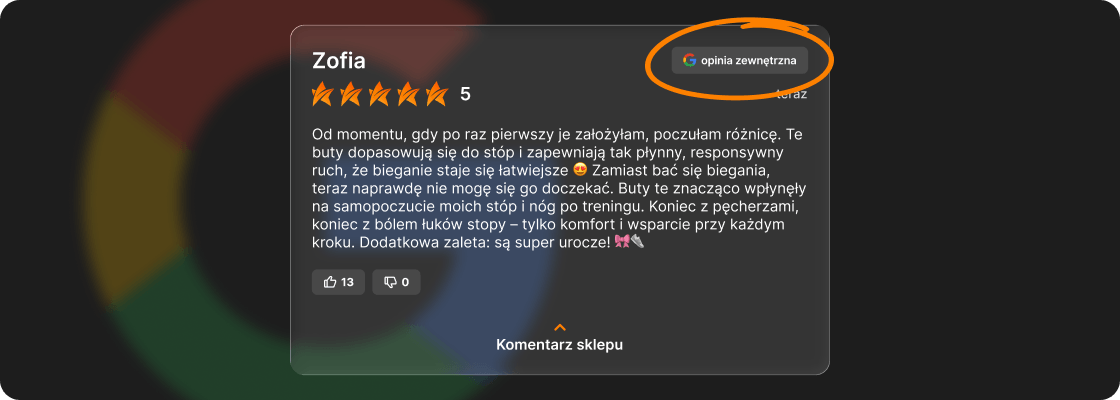
Как можете да ги разпознаете?
Пълната прозрачност към потребителите е наш абсолютен приоритет. Ето защо всяко импортирано мнение е много ясно разграничено от оценките, събирани директно от TrustMate. Отбелязваме го с ясен етикет "външно мнение" и специален графичен символ (логото на източниковата платформа - ако е възможно). Така посетителите веднага знаят от коя услуга идва даденият глас.

Проверка и правна прозрачност (съответствие с Директивата Омнибус)
Тъй като процесът на проверка и оторизация за тези оценки е изцяло в ръцете на услуги на трети страни, TrustMate няма техническа информация за пътя на транзакциите им. Следователно, не можем независимо да гарантираме, че тези отзиви идват от клиенти, които действително са закупили продукта или са използвали услугата.
За да се поддържат най-високите стандарти за пазарна справедливост, външните отзиви се включват в общия рейтинг при специални условия:
Системата използва алгоритъм за претеглена средна стойност.
Ревютата, импортирани от външни платформи, имат намалено тегло от 1 (докато напълно проверените ревюта в системата TrustMate имат най-голямо тегло от 2).
Този механизъм гарантира, че оценките, пряко свързани с процеса на покупка в електронния магазин, играят доминираща роля в изграждането на средната оценка, докато импортираното съдържание представлява ценна, но напълно безопасна и прозрачна, допълнение към профила на компанията.
Растежът на продажбите на международни пазари изисква изграждане на доверие от първия контакт. За да предостави на потребителите най-подробните възможни описания на продукти и да им помогне да вземат точни решения, системата TrustMate позволява автоматичен превод и споделяне на пазарски преживявания между различни географски пазари. Това е идеалното решение за електронни магазини, които извършват трансгранични продажби.

Как работи и как поддържаме прозрачността?
Купувачът получава достъп до рецензия, преведена на неговия роден език, което му дава пълно познание за продукта, дори ако първоначалната покупка е била направена в друга държава. В същото време, за да се защитят напълно правата на потребителите и да се запази прозрачността на процеса:
Най-висок технологичен стандарт: Автоматичният процес на превод се извършва чрез водещите, най-напредналите езикови системи в света - DeepL и Google API. Това гарантира най-високото възможно качество и естествено звучене на превода.
Достъп до оригинала и системно отказване: Всеки потребител може, по всяко време, технически да види оригиналното, непреведено съдържание на рецензията с един клик. В интерес на надеждността, честно ви информираме, че автоматичните системи за превод - въпреки постоянното развитие - понякога могат да правят малки граматически или контекстуални грешки. Предоставянето на оригиналния текст позволява на потребителя незабавно да го провери.
Строг обхват на обмена на данни: По подразбиране обменът и преводът на отзиви се извършва само между онлайн магазини, принадлежащи на една и съща капиталова група (напр. между различни езикови версии на същата марка).
Ясно обозначаване на трети страни: Ако системата позволява обмен на продуктови рецензии между напълно отделни, независими бизнеси, информацията за външния източник и името на оригиналния продавач е винаги ясно и просто указана в метаданните на всяка рецензия.

Тегло на алгоритъма и правно съответствие (Изискване Omnibus)
Превеждането на текста чрез външна система по никакъв начин не влияе на същественото състояние на оценката. За да се поддържа абсолютна надеждност на алгоритъма за изчисление на средното:
Един преведен отзив запазва точно същата тежест, която оригиналната му версия е имала преди превода.
Ако оригиналният отзив е напълно проверен чрез покупка в страната на произход, той запазва най-високото тегло от 2 след превеждането му на друг език. Ако е бил непроверен, запазва тегло от 1.
Този дизайн на процеса елиминира риска от изкуствено манипулиране на оценките, предоставяйки на продавачите мощен инструмент за мигновено създаване на доверие в нови пазари и предоставяйки на потребителите пълен и прозрачен спектър от отзиви, като същевременно запазва най-високите стандарти на ЕС.
Това е уникална категория оценки, създадени директно на мястото, където се предоставя услуга, или на мястото на продажба, формирайки естествен мост между физическия и дигиталния свят. Това са отзиви, събрани в така наречения близък контакт с марката - идеално за индустрията Horeca (хотели, ресторанти), салони за красота, медицински заведения или традиционната търговия на дребно.

Как работи този процес на практика?
Персоналът на компанията предоставя на клиента специална среда (например елегантна стойка на масата, рецепцията, опаковка на продукта или доказателство за покупка) с логото на компанията. Клиентът използва собственото си мобилно устройство, за да отвори формата за преглед в TrustMate само за секунда - като сканира уникален QR код или докосва телефона си до безконтактен NFC бадж. Тъй като формата става достъпна точно в края на услугата, тези отзиви се добавят "на място", отразявайки свежите и автентични впечатления на потребителя.
Въпреки че този модел за придобиване на оценки се основава на пряка връзка с клиента след предоставяне на услугата, системата TrustMate строго поддържа прозрачността на данните, представени онлайн:
Статус „QR/NFC преглед“: Тъй като всеки посетител на мястото може да получи достъп до физическия носител (QR код или NFC етикет) в обществено пространство - без автоматична, системно базирана връзка с номер на дигитална транзакция в базата данни - тези прегледи са маркирани в джаджите с икона на телефон и бележка, указваща техния източник.
Оптимално тегло от 1.5 в алгоритъма: За да се поддържа пълна обективност на средния рейтинг на компанията, отзивите от мобилни QR/NFC канали носят тегло от 1.5 в изчислението (докато затворените покани по имейл/SMS имат тегло от 2).
С това решение получавате мощен инструмент за изграждане на местно социално доказателство и събиране на отзиви от реални гости, като в същото време запазвате пълната правна безопасност и устойчивост на профила си срещу претенции за непроверен произход на съдържание.
В допълнение към разделянето на отзивите според техния източник и метод на проверка (статус), системата TrustMate прецизно категоризира отзивите по темата на оценката. Това разделение поддържа структурирането на данните на страницата организирано и означава, че клиентите, които търсят специфична информация, не трябва да преглеждат описания, които не са релевантни за тях.
Ето как разграничаваме и представяме отзивите въз основа на тяхната цел:
Това са отзиви, посветени изключително на конкретен артикул. Целта им е да предоставят на бъдещите купувачи съществена информация за физическите характеристики и полезността на даден продукт, помагайки им да вземат точно решение за покупка директно на страницата на продукта.


Върху какво се фокусират?
Те се фокусират върху спецификацията, дизайна, удобството при използване, издръжливостта или действителния външен вид (например за обувки, това би било информация за качеството на кожата, удобството на стелката или точността на размера).

Какво пропускат?
Този формат на преглед нарочно отделя и изключва логистични въпроси, като забавяне от куриер, как е опакован пакетът или контакт с Обслужване на клиенти.
Защо това има значение?
Разделянето на прегледите за продуктите от прегледите за логистиката предотвратява ситуацията, в която продукт с високо качество получава ниска оценка само защото куриерската компания е закъсняла с доставката. Това защитава справедливия имидж на асортимента на вашия електронен магазин.
Тази категория е посветена на компании, чийто бизнес е базиран на извършване на специфични услуги (напр. салони за красота, автосервизи, финансови консултации, медицинска грижа или резервационни услуги).
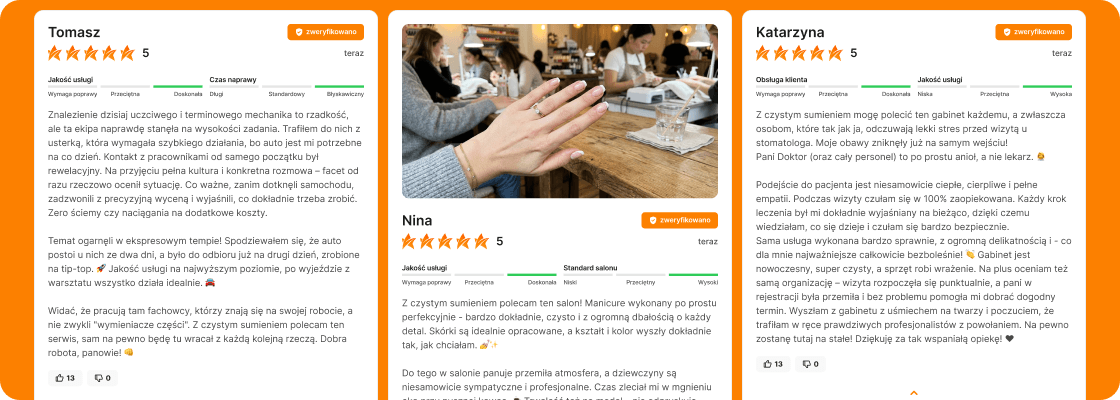
Върху какво се фокусират?
Те се фокусират върху професионализма на персонала, атмосферата на място, точността, колко ефективно е разрешен проблемът и съотношението цена-качество на предоставената услуга.

Полза за бизнеса
Отзивите за компании са основа на пазарната надеждност. Те са отличен инструмент за изграждане на доверие на началните страници, в количките за пазаруване и в външни бизнес профили, доказвайки, че вашата компания работи гладко на всеки етап от изпълнението на поръчките.
Това са отзиви, свързани с изображения, които се отнасят до общата оценка на вашата марка като надежден бизнес партньор. Те представят цялостното преживяване на клиента при работа с вашия магазин, от момента, в който попаднат на страницата до получаването на тяхната пратка.

Върху какво се фокусират?
Те се фокусират върху това колко добре функционира платформата за пазаруване, професионализма и полезността на Обслужването на клиенти, колко бързо е изпратена пратката, стандартите за опаковане (напр. екологичен подход или степента на защита за чупливи предмети), и безпроблемен процес за връщане и оплаквания.
Полза за бизнеса
Отзивите за компании са основа на пазарната надеждност. Те са отличен инструмент за изграждане на доверие на началните страници, в количките за пазаруване и в външни бизнес профили, доказвайки, че вашата компания работи гладко на всеки етап от изпълнението на поръчките.
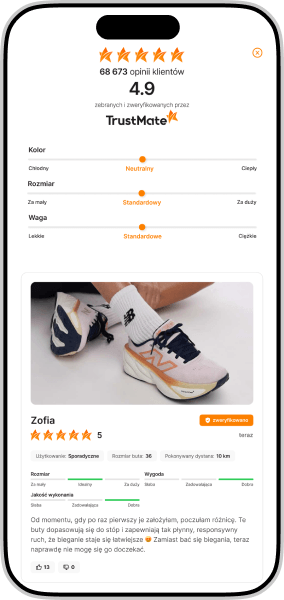
Рейтингът, показан в уиджетите, е математическа претеглена средна стойност, при която силата на влиянието на всяко ревю зависи от степента на неговата верификация. Като даваме най-висока тежест на ревюта, безусловно потвърдени от покупка, защитаваме системата от манипулация и осигуряваме на потребителите най-надеждната картина на бранда.
Повечето системи в интернет използват проста аритметична средна стойност. За съжаление, това решение е уязвимо към манипулация - само няколко фалшиви, масово добавени рейтинги „от улицата“ са достатъчни, за да изкривят напълно реалния образ на дадена компания или продукт.
В TrustMate правим нещата по различен начин. В интерес на абсолютната справедливост и пълното съответствие с Директивата Омнибус, сме внедрили усъвършенстван алгоритъм за претеглено средно аритметично. Това означава, че всяко ревю има назначена тежест на гласа (тегло) в зависимост от степента, до която е потвърден произходът му. Ревюта, за които сме сигурни, имат два пъти по-голямо влияние върху крайната оценка в сравнение с оценки, идващи от отворени канали.
Дизайнът на нашата система означава, че компаниите събират оценки по безопасен и затворен начин. До 99% от всички събрани отзиви в системата на TrustMate са проверени отзиви, потвърдени от реална покупка! Това е основата, която гарантира безспорната достоверност на вашия профил.
Таблица на тежестите: Как отделните отзиви влияят на средното?
За да осигурим максимална прозрачност за потребителите, по-долу е официалното разбиване на всички видове рецензии заедно с техните системни тежести:
Тип преглед | Икона | Канал за придобиване | Състояние на проверката | Тегло на алгоритъм |
|---|---|---|---|---|
Проверен отзив |  | Имейл / СМС покана след покупка | Пълно потвърждение на транзакцията | Тегло 2 (най-висок) |
Непроверено ревю |  | Добавено ръчно чрез приспособление / бизнес профил | Няма автоматична връзка към покупка | Тегло 1 (стандарт) |
QR / NFC преглед |  | Сканиране на код или докосване на телефон на място | Няма цифрова връзка към номер на поръчка | Тегло 1.5 |
Външен преглед |  | Импортирано от платформи на трети страни (Google, Trustpilot и др.) | Проверката е отговорност на източниковата услуга | Тегло 1 (стандартен) |
Преведен преглед |  | Автоматичен превод (DeepL / Google API) | Зависи от статуса на оригиналното ревю | Същото като оригинала |
Преглед в медиация |  | Оценката е замразена по време на 21-дневен диалог между страните. | Временен статус | Тегло 0 |
Прегледът е оттеглен от автора |  | Авторът оттегли ревюто по време на разговор с TrustCare | Не е публично видимо | Тегло 0 (постоянно деактивиран) |
Експертен преглед | | Съветнически коментар от персонала / специалистите | Разделете информационния раздел | Няма числова оценка (0) |
Оттеглен преглед на продукт | | Оценката е анулирана от магазина поради един от наличните статуси | Одитна следа (резерв) | Тегло 0 (постоянно деактивиран) |
Това награждава истинските клиенти
Тъй като 99% от отзивите носят най-висока тежест от 2 (проверено чрез покупка), окончателната средна оценка, показана на вашата страница, отразява действителните, истински преживявания на хора, които са похарчили пари при вас.
Защита срещу "бомбиране с ревюта"
Ако нелоялни конкуренти или ботове се опитват масово да публикуват негативни оценки чрез отворения виджет (без да извършат покупка), техните отзиви получават статус "непотвърдена покупка" и най-ниско тегло от 1. Алгоритъмът автоматично и драстично ограничава тяхното въздействие върху общата ви средна стойност.
Пълно правно съответствие (Omnibus)
Органите за защита на потребителите строго наказват изкуственото скриване на отрицателни оценки. Системата TrustMate не премахва или манипулира отзивите - вместо това открито разкрива техния статус и прилага математически чист, обективен алгоритъм за претегляне.
Изграждането на доверие се основава на автентичност, поради което всяка оценка в нашата система преминава през автоматичен процес на проверка на транзакциите. Това ви дава увереност, че четете отзиви, базирани на реални търговски преживявания, напълно свободни от манипулации и изкуствено генерирани оценки.
Осигуряването на най-високо качество, надеждност и така наречената "чистота" на базата данни за рецензии е основата, върху която изграждаме доверие във вашата марка. За да елиминираме фалшиви оценки и да дадем на потребителите увереност, че четат реални преживявания на други хора, ключов етап от нашия процес е внимателната проверка на произхода на всяко съдържание.
За тази цел системата TrustMate напълно прекъсва възможността за добавяне на анонимни отзиви директно на сайта, като я заменя със затворена система за транзакционна верификация. Всяка покана за оставяне на оценка приема формата на персонализирана покана, изпратена директно и изключително до хора, които наистина са извършили покупка в е-магазина или са ползвали услугата.
Научете за механизмите, които защитават автентичността на вашия профил и гарантират пълно съответствие с приложимите регулации за защита на потребителите.
Ключът към стопроцентова сигурност се крие в прецизна интеграция на системата и автоматично сдвояване на данни. Поканата за оставяне на ревю се генерира от системата и се насочва изключително към същия имейл адрес (или телефонен номер), който потребителят е предоставил при направата на поръчката и нейното одобряване в онлайн магазина.
Това позволява на алгоритъма на TrustMate да създаде неразрушима, дигитална връзка между конкретна, документирана транзакция (уникален номер на поръчка в базата данни) и подадения преглед. Този операционен модел напълно елиминира човешкия фактор и риска от злоупотреба, давайки ви абсолютна сигурност, че резултиращото съдържание идва от някой, който действително е купил продукта или наистина е използвал вашите услуги.
Какво означава това по закон?
Този стандарт за проверка е пряка реализация на изискванията на Член 7aa от Полския закон за борба с нелоялните пазарни практики (въвеждащ Омнибус директивата). В случай на каквато и да е проверка от UOKiK (Полският орган за защита на потребителите), вашият магазин има твърдо, технологично доказателство, че систематично проверявате и гарантирате автентичността на публикуваните отзиви.
За разлика от това, за отзивите, събрани чрез публични QR кодове, NFC технология или добавени от потребителите директно от бизнес профила, системата няма автоматична, предварително съществуваща връзка с базата данни за поръчки на електронния магазин.
Въпреки че авторите на такива ревюта трябва да потвърдят своята електронна поща, липсата на твърда следа от транзакции означава, че системата им присвоява вече споменатия статус "покупка не е потвърдена".
Това е напълно справедлив, прозрачен и безопасен подход:
Ние не блокираме гласовете на клиенти, които искат да оценят марката по собствена инициатива на физическо място.
В същото време ясно информираме другите потребители за конкретния източник на дадено ревю, оставяйки никакви основания за твърдения за заблуждаване на пазара.
Проверката на произхода на прегледа обаче е само първата стъпка. За да се осигурят най-високият стандарт на култура на дискусия, сигурност на данните и пълна защита срещу нелоялни пазарни практики, всеки преглед преминава през друг ключов етап: автоматизирана модерация на качеството на съдържанието.
В този процес системата TrustMate оперира по съвременни стандарти за отговорност за съдържанието (в съответствие със Законодателния акт за дигитални услуги на ЕС - DSA) и стриктни правила за защита на личните данни (GDPR). Гарантирайки, че само съществени и законни изявления достигат до страниците на вашия магазин, в реално време (преди прегледът да стане видим за обществеността), са два усъвършенствани, независими филтъра:


Поведенчески и семантичен филтър (защита на съдържанието и правно съответствие)
Това е усъвършенстван алгоритъм, който формира първия ред на защита и работи в режим на превантивна модерация. Неговата задача е мигновено да сканира и извършва дълбок семантичен анализ на текста на рецензията в реално време - преди тя изобщо да достигне до публичното пространство.
Филтърът прецизно проверява съдържанието за нарушения на закона, добрите практики и регулациите на ЕС (включително Закона за цифровите услуги - DSA). Той анализира следните параметри:
Псувни и реч на омразата: Автоматично открива и блокира рецензии, съдържащи думи, считани за обидни, вулгарни, непристойни или дискриминационни. Това гарантира най-високите стандарти на култура на дискусия около компаниите.
Лични данни (безопасност по GDPR): Алгоритъмът идентифицира и спира отзиви, които съдържат чувствителни низове, които могат да представляват лични данни (напр. имена, телефонни номера, имейл адреси на клиенти или служители на клиентския отдел). Това защитава магазина от риска от нарушаване на регламента за защита на данните.
Външни връзки и търговски спам: Открива URL връзки, адреси на уебсайтове и опити за скрита реклама от конкуриращи се бизнеси. Това предотвратява използването на секцията за ревюта като безплатно пространство за спам.
Аномалии при писане (блок с ГЛАВНИ БУКВИ): Филтърът хваща и маркира рецензии, написани изцяло с главни букви. В нетикета този стил сигнализира за викане, често се свързва с агресивно изразяване и драстично понижава естетиката и четимостта на страницата на продукта.
Очевидно невярно или извън темата съдържание: Блокира изявления, които очевидно не се отнасят до продукта, услугата или компанията, която се оценява, като противодейства на дезинформацията.
Ревю, в което системата разпознава гореспоменатите аномалии, автоматично се блокира. То никога не се появява на сайта или в уиджетите и остава напълно невидимо за клиентите. Направо отива в администраторския панел на продавача със статус на блокирано и ясно указание за причината.
Най-важното, от гледна точка на надеждността на системата: такъв преглед е напълно изключен от алгоритъма, който изчислява средния рейтинг на продукта или компанията (тегло 0), което прави невъзможно манипулирането на статистиката.
Технически филтър (разширен щит срещу измами)
Докато поведенческият филтър се грижи за лингвистичния и културен слой, техническият филтър представлява уникално технологично предимство на системата TrustMate. Това е усъвършенстван механизъм за киберсигурност, чиято задача е да защитава целостта на платформата от организирана манипулация, активност на ботове и опити за фалшификация на статистиките на електронния магазин.
Системата анализира уникалните цифрови параметри на устройството, от което е добавена оценка (на базата на напреднала идентификация на устройства, бисквитки и мрежов анализ). На тази основа алгоритъмът прилага строги блокировки.
Защо това е ключова защита за вашия бизнес?
Защита срещу "ревю бомбардиране": Напълно предотвратява ситуация, при която зловреден потребител, несправедлив конкурент или платена "ферма" с тролове се опитват масово и умишлено да понижат рейтинга на вашата компания, като добавят десетки негативни коментари един след друг.
Достоверност сред потребителите: Този блок работи и в обратната посока - предотвратява изкуственото "увеличаване" на положителни оценки от едни и същи устройства. За регулаторните органи това е ясен доказателство, че системата технически предотвратява генерирането на фалшив трафик и изкуствена репутация, което директно прилага регулациите срещу нелоялна конкуренция.
За да се направят правилата на играта напълно прозрачни за продавачите, потребителите и правните институции, съдбата на отзивите, засечени от процеса на модериране, е строго определена:
Правило за нулева толерантност към манипулации: Всеки отзив, който при автоматична проверка бъде заловен от поведенческия филтър (например вулгарност, лични данни, спам) или техническия филтър (нарушение на 30-дневния лимит за едно устройство):
Не е публикувано - системата постоянно блокира неговото показване на уебсайта, в приспособленията и в бизнес профила на компанията.
Е напълно изключен от алгоритъма (тегло 0) - такава оценка не се взема предвид при изчисляването на средната оценка на продукта или магазина, което гарантира, че статистиката ви е безопасна и 100% надеждна.
Работи на базата на предпазни процедури за модериране на съдържание (в съответствие с Акта за цифрови услуги - DSA) и защита на личните данни. Филтърът автоматично блокира публикуването на нецензурни думи, език на омраза, спам връзки и лични данни на трети страни (за да избегне нарушения на GDPR).
Публикуваме всички рецензии, които отговарят на нашите условия за ползване - както положителни, така и отрицателни. Те могат да бъдат показвани в специализирани, персонализируеми джаджи или в естествено решение на сайта на магазина.
Както положителните, така и отрицателните отзиви преминават през точно същия процес на автоматична проверка и се публикуват на страниците на магазина по едно и също време, без изкуствено забавяне на представянето на критични оценки.
Настройките по подразбиране на уиджетите на TrustMate са създадени да приоритизират доставянето на най-съдържателния и информация-пълния контент на потребителите. Начинът, по който са представени отзивите, има пряко въздействие върху решенията за покупка, затова нашата система следва стратегия win-win: тя помага на купувачите бързо да достигнат до ключовите данни за продуктите, като същевременно позволява на магазините да подкрепят ефективно продажбите и конверсията чрез автентично и силно Социално доказателство.
За да постигнете тази цел, основният алгоритъм за подреждане на отзивите в джаджата отчита плътността и качеството на информацията, като организира отзивите в фиксирана, обективна йерархия:
Ревюта с медия (снимки, видео): Те имат най-висок приоритет за показване. Те са най-желаните от потребителите, защото показват продукта в реални условия на употреба (Съдържание, генерирано от потребителите) и най-добре удостоверяват неговите характеристики.
Отзиви с текстово описание: Отзиви, съдържащи същественото мнение на клиента, описващи техните впечатления и предимствата или недостатъците на продукта.
Отзиви без съдържание (само рейтинг): Чисти звездни оценки без допълнителен коментар. Те се появяват в края на списъка, тъй като потвърждават транзакцията, но не носят допълнителна образователна стойност за други купувачи.

Пълен контрол в ръцете на потребителя
Въпреки че по подразбиране се сортира по богатство на съдържанието, системата по никакъв начин не ограничава или забавя достъпа до критични отзиви. Критерият за йерархия важи само за формата (медия -> текст -> звезди), не за оценката със звезди.
В допълнение, всеки посетител на страницата има достъп до интуитивен контролен панел, който позволява безплатно, самостоятелно филтриране на отзиви. Купувачите могат да показват само отрицателни отзиви (напр. 1 или 2 звезди) или само положителни с едно кликване, което осигурява 100% прозрачност и гарантира, че нито един отзив не е скрит от пазара.
Може също така да намерите различни допълнителни разширения в нашите джаджи и ревюта. Видът на ревюто може да варира в зависимост от използваната джаджа и нейната конфигурация.
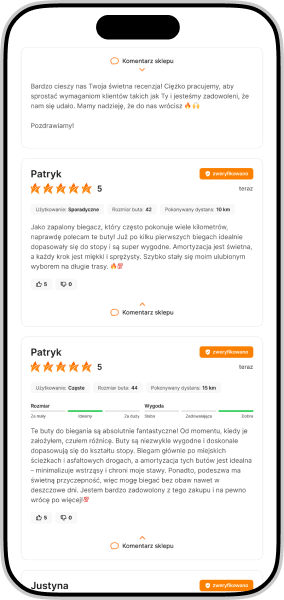

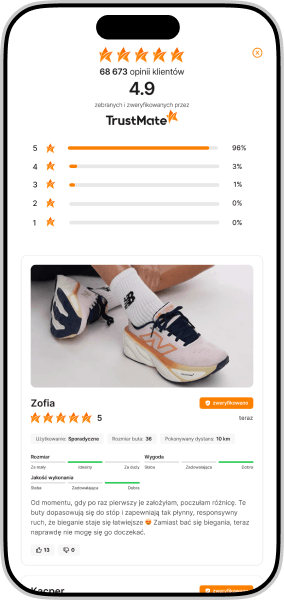
Препоръчани отзиви
Това са отзиви, обозначени от продавача като най-ценни за бъдещите купувачи.
В екосистемата на TrustMate прозрачността и справедливостта към потребителите играят водеща роля. Това означава един водещ принцип: в нашата система няма възможност за произволно изтриване на отрицателни отзиви.
Критичните отзиви са толкова важни за пазара, колкото и положителните – те изграждат доверие, показват истинската картина на марката и позволяват на потребителите да вземат информирани решения.
Въпреки това, в духа на пълната обективност, не искаме да позволяваме ситуации, при които оценката на конкретен продукт е изкривена от грешки или фактори извън самия продукт. Ето защо системата TrustMate позволява статусът на ревюто на продукт да бъде променен на "оттеглено" само след като е публикувано, и то само ако отговаря поне на едно от двете строги условия:

Съдържанието на рецензията не се отнася до оценявания продукт (Грешка в категоризацията)
Често срещана грешка, която потребителите правят, е да оценят работата на куриера или времето за доставка на страницата на конкретен артикул. Ако продуктово ревю описва само логистичния процес, качеството на обработване на поръчката или метода на опаковане вместо характеристиките на продукта (напр. комфорт, качество на изработка) – такова продуктово ревю може да бъде преобразувано в ревю за фирма.
💡 Важно съобщение:
Горният път се отнася само за продуктови отзиви. За фирмени (изображенчески) отзиви, прякото изтегляне на съдържанието от магазина е технически блокирано – магазинът може само да започне разговор с клиента в програмата TrustCare, описана по-късно на тази страница. Всяка промяна на оценката или изтеглянето на отзива се решава единствено от неговия автор.

Продуктът всъщност не беше използван от потребителя
Отзивите за продукти са предназначени да описват реалните преживявания от използването на даден артикул. Ако съдържанието на отзива ясно показва, че клиентът никога не е използвал продукта (например оценява го отрицателно преди да го разопакова или на базата на предположения), съдържанието изкривява реалността и няма стойност за други купувачи. Такъв отзив също подлежи на премахване.
Процедурата за оттегляне на отзиви в TrustMate е създадена, за да изключи напълно риска от едностранна цензура на интернет от нечестни продавачи. Системата защитава потребителските права на две нива:

Пълно разкриване (Без постоянно изтриване)
Всеки изтеглен отзив е покрит във виджетите със системно известие (така нареченото запазено място). Оценката със звезди спира да се брои към средното (тежест 0), но оригиналният му текст остава достъпен за преглед от всеки потребител на уебсайта. Нищо не изчезва от кода на услугата.

Автоматично уведомление и процедура за обжалване
В момента, в който дадена компания реши да оттегли отзив, системата на TrustMate веднага изпраща автоматичен имейл до автора на този отзив. Потребителят е официално информиран за промяната в състоянието на тяхното изявление и причината за това решение. Важно – имейлът съдържа специална връзка, която позволява официално обжалване на решението на магазина. Ако клиентът докаже, че оттеглянето е било неоправдано, отзивът незабавно се връща към пълна видимост.
Благодарение на тази архитектура, процесът на оттегляне на отзиви в TrustMate отговаря на най-високите стандарти на ЕС (Директива Omnibus). Той предоставя на магазините инструмент за защита срещу очевидни грешки, като същевременно гарантира на потребителите и надзорните органи, че нито един критичен отзив няма да бъде скрит незаконно и без знанието на неговия автор.
Отрицателното мнение не трябва да означава край на връзката с клиента – много често то е резултат от просто недоразумение, случайна грешка на куриерска компания или временна липса на контакт. В TrustMate вярваме в силата на диалога, затова създадохме програмата TrustCare. Това е двустранен разговор между магазина и клиента, който позволява да се изясни причината за недоволството и да се предложи конкретно решение – възстановяване на сумата, замяна или поправка. Разговорът се провежда по имейл и на специализирана страница на TrustCare, а прегледът остава публичен през цялото време.

Как работи този процес стъпка по стъпка?
Започнато от магазина: Когато негативно ревю се появи в панела, продавачът може да започне разговор с неговия автор само с едно щракване. Те могат също така да включат автоматично начало – например извън работното време – с готов шаблон за първото съобщение. Клиентът получава имейл с линк към конфиденциален чат, достъпен само за двете страни. Магазинът не може да започне разговор с човек, който се е отписал от неговите съобщения.
Започнато от клиента: Ако магазинът предлага TrustCare, клиентът, който избере отрицателна оценка във формуляра, може да пише на магазина веднага, вместо да публикува преглед. Това е изцяло техен избор – те могат да добавят ревюто по всяко време, по време на разговора или след неговото приключване, без ограничение във времето.
7 дни за отговор: Очакваната страна има 7 дни за отговор. Всеки отговор от другата страна отваря нов период от 7 дни, така че разговорът продължава, докато и двете страни отговарят навреме. След 4 дни без отговор, системата изпраща едно напомняне, а след като срокът изтече, процесът автоматично се прекратява.
Клиентът има последната дума: По време на разговора авторът може да промени оценката, да редактира рецензията, да я оттегли или да я остави непроменена. Те също така могат да се откажат от получаването на по-нататъшни съобщения по всяко време – разговорът тогава приключва и рецензията остава публикувана.
Прозрачност на най-високо ниво
Много доставчици на софтуер скриват отрицателните отзиви по време на спор, което регулаторните органи могат да сметнат за опит за интернет цензура и манипулация. В TrustMate, отзив в разговор в TrustCare остава публичен през цялото време:
Етикет вместо заместител: След като започне разговорът, прегледът на профилната страница и в уиджетите все още се показва пълен – с оригиналния текст и оценка. Той получава само етикета на TrustCare "Компанията разговаря с клиента", което информира други купувачи, че продавачът изяснява съобщения проблем. В уиджетите, кликването върху етикета отваря обяснение какво е TrustCare.
Магазинът не решава относно ревюто: Разговорът не позволява на продавача да скрие, редактира или изтрие ревюто. Само неговият автор може да промени оценката или да оттегли ревюто. Нищо не е скрито от пазара.
Въздействие върху средната оценка по време на и след TrustCare
По време на разговора (без спиране на рейтинга): Рейтингът на ревю в TrustCare се отчита към средния и разпределението на рейтинга през цялото време – точно като всяко друго публикувано ревю. Започването на разговор не променя средния, броя на ревютата или която и да е друга стойност.
Клиентът променя оценката: Ако авторът промени оценката или редактира рецензията, разговорът приключва и рецензията се публикува отново в новата си версия – след стандартната проверка на съдържанието. Новата оценка се включва в средната стойност при следващото преизчисляване на статистиката.
Проблемът е разрешен: Когато магазинът приключи разговора като разрешен, прегледът остава публикуван непроменен и получава етикет от TrustCare "Компанията разреши докладвания проблем".
Оттегляне от автора: Ако клиентът получи задоволително решение (например размяна на продукта или компенсация) и реши самостоятелно да оттегли рецензията, тя вече не се показва публично и не се брои към средното.
Няма споразумение: Ако магазинът затвори разговора без решение или някоя от страните не отговори навреме, ревюто остава публикувано без промяна и все още се брои към средното значение. Когато клиентът е този, който спре да отговаря, ревюто получава етикета на TrustCare "Няма отговор от клиента".
Разговор, започнат от клиента: Докато клиентът не добави рецензия, нищо не се публикува и средният рейтинг остава непроменен. Ако решат да добавят такава – по време на разговора или след като той завърши – тя се публикува като всяка друга рецензия.
История на одит (Следа на ревизиите)
Курсът на всеки TrustCare разговор – съобщенията от двете страни и как е приключил – е записан в системата. В резултат на това, всяка промяна на статуса на становището има реална, документирана причина, а етикетите TrustCare ясно информират пазара, че магазинът е участвал в диалог с клиента. Този стандарт гарантира пълната правна издръжливост на вашата компания.
Дигиталната сигурност и прозрачността в обмена на информация са основите на съвременната електронна търговия. В пълно съответствие с Акта за цифровите услуги на ЕС (DSA), системата TrustMate е оборудвана с официална и безплатна процедура за Известие и Действие.
Всеки интернет потребител (потребител, продавач или трета страна), който има съмнения относно законността или фактическата точност на даден преглед, има право да го докладва незабавно.
Процесът е напълно автоматизиран и интуитивен. Не е необходимо да се пишат сложни писма или да се свързвате с телефонна линия:


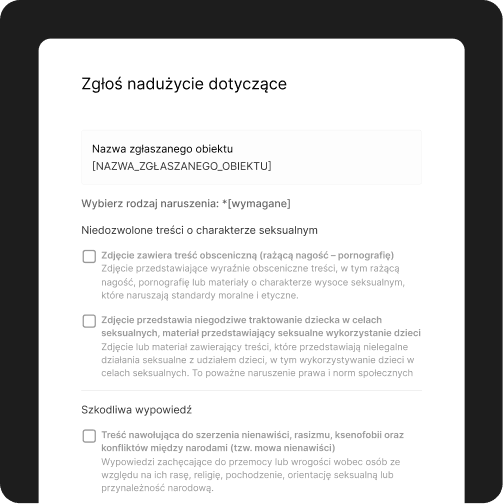
Отзивите, публикувани в екосистемата на TrustMate, не трябва да съдържат незаконна информация или съдържание, което грубо нарушава условията за ползване на платформата. Докладът може да се отнася, по-специално, за:
Нецензурни и непозволени съдържания: Думи, които широко се считат за обидни, порнографски, неприлични и неприемливи съдържания.
Реклама и спам: Съобщения, представляващи директна реклама на други субекти, външни връзки и скрити маркетингови дейности.
Нарушение на авторските права: Съдържание, произхождащо от трети страни, което представлява произведение в смисъла на закона за авторското право и надхвърля законово разрешеното цитиране.
Защита на личните данни (GDPR): Публикуване на имена, телефонни номера или имейл адреси на други потребители или служители на преглежданата компания.
Лични права и реч на омраза: Съдържание, което нарушава лични права или подбужда расова омраза, ксенофобия и междукултурни конфликти.
Актове на нелоялна конкуренция: Ревюта, които са явно неверни или нарушават права върху търговски марки, имена на компании или наименования за произход.
Абсолютно незаконно съдържание: Всяка информация, противоречаща на националното или европейското законодателство, включително подбуждане към тероризъм, материали, изобразяващи експлоатация на деца, продажба на фалшифицирани стоки и нарушения на частното (гражданско) и публичното (наказателно) право.
В оправдани случаи - за защита на "чистотата" на системата и до необходимата степен - TrustMate.io има право да прави редакционни промени, да блокира или да премахне изцяло съдържание. Тези действия се предприемат, когато:
Публикуваното съдържание директно нарушава условията за ползване на TrustMate.io.
Това е дубликат на рецензия, която вече съществува за същата транзакция и номер на поръчка.
Погрешно се отнася за напълно различен субект, продукт или услуга от тази, която всъщност се оценява.
Беше генерирано от временен, анонимен имейл адрес.
Това показва признаци на автоматизирана активност (ботове) или са използвани инструменти за заобикаляне на анализа на трафика (блокирани от технически филтри).
Текстът е копиран (плагиатстван) изцяло или частично от други потребители или от уебсайта на производителя.
Съдържанието на прегледа незаконно съдържа лични данни на трети страни.
Прилагането на стандартите на DSA в системата TrustMate гарантира, че електронният магазин функционира в безопасна и законово регулирана среда и че потребителите имат реално влияние върху елиминирането на токсично или незаконно съдържание от публичното пространство.